Bingo calling, a seemingly simple task, can quickly turn into a chaotic affair if not approached with care and the right mindset. Mistakes in bingo calling can disrupt the flow of the game, confuse players, and even lead to serious compliance issues, as outlined in the Bingo Calling Rules. This article examines the top 10 mistakes that bingo event organizers, volunteers, and professionals should avoid at all costs. By understanding these pitfalls, you'll gain invaluable insights into ensuring a smooth, engaging, and legally compliant bingo experience for everyone involved, from the initial game setup to post-event reviews. Let's explore these critical do's and don'ts to elevate your bingo calling skills and maintain the integrity of the game.
- Understand Basic Bingo Calling Rules Before You Start
- Avoid Slow and Hesitant Calling: Set a Steady Pace
- Pronounce Numbers Clearly: Engage Every Player
- Announce Ball Numbers, Not Ball Colors (Follow Standards)
- Keep Calling Consistent: Avoid Sudden Changes in Tone
- Stop for Correcting Mistakes: Ensure Fair Play
- Don't Forget to Include One All at the End
- Avoid Bias: Treat All Players Equally
- Master the Art of Pausing: Build Anticipation
Understand Basic Bingo Calling Rules Before You Start

Before taking the microphone or starting your shift as a bingo caller, understanding the core bingo calling rules is paramount. Even experienced emergency bingo callers or those handling special events must stay grounded in the fundamentals. Mistakes in basic rule application can lead to confusion, disruption, and even embarrassment. A top-rated bingo calling expert once noted that a caller's primary role is to ensure fairness, accuracy, and a seamless experience for all players.
The Canada Bingo Caller Guide emphasizes the importance of clear communication. Rules must be conveyed in a manner that's easy for all players to understand, regardless of age or familiarity with the game. This includes explaining special terms, the sequence of numbers, and any unique rules specific to the event. For regular games, adherence to standard game rules is crucial. This includes knowing the different patterns, such as the traditional "blackout" or "coverall," and the appropriate procedures for each. A professional bingo calling for events often involves customizing these rules to suit the event's theme or the preferences of the players.
Another critical aspect is timing and rhythm. Callers must develop a steady pace that keeps the game moving smoothly. This is especially important during fast-paced games or when dealing with a large number of players. Using hand signals and visual aids can also help, especially in noisy environments or when dealing with visually impaired players. The caller should be prepared to adapt to unexpected situations, such as technical glitches or player challenges. Top-rated bingo calling experts recommend regular practice and training to hone these skills, ensuring that any mistake is quickly corrected without disrupting the flow of the game.
Avoid Slow and Hesitant Calling: Set a Steady Pace

Avoiding slow and hesitant calling is paramount in the fast-paced world of bingo. Setting a steady pace not only keeps the game flowing smoothly but also ensures every player has an engaging experience. This is crucial, as the best local bingo callers understand that a well-paced game can significantly impact player retention and satisfaction. A common mistake new callers make is allowing too much time between draws, which can lead to a lag in energy and interest from the crowd.
To maintain a consistent pace, experienced callers often use a watch or timer. This tool helps them gauge the interval between draws, ensuring each round is executed within a set time frame. A professional bingo caller might aim for a 30-second to 1-minute interval between calling a winner and starting the next round. This approach prevents delays and keeps the game dynamic. It allows for a natural rhythm to emerge, making the experience more enjoyable for both the staff and the players.
In emergency situations, such as when a caller becomes unavailable, top-rated bingo calling experts recommend having backup calling services in place. These services ensure that the game can continue uninterrupted. The Professional Bingo Callers Association advocates for training at least two staff members to take over calling duties if the primary caller is suddenly unable to continue. This contingency plan aligns with the Bingo License Regulations, which emphasize the need for compliance and smooth operation. By implementing these practices, bingo halls can avoid delays and maintain a steady flow, adhering to the essential bingo calling rules for a successful and safe gaming environment.
Pronounce Numbers Clearly: Engage Every Player
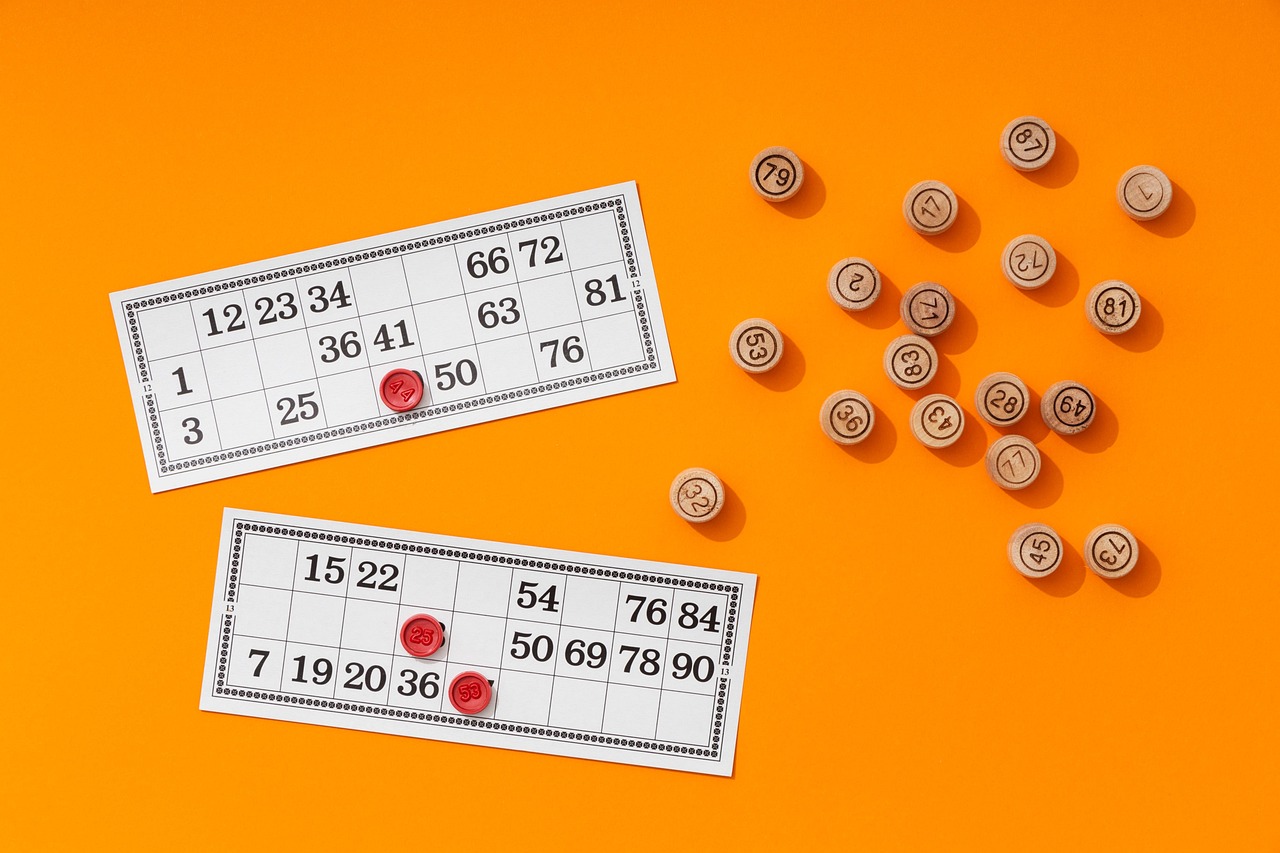
Top 10 Bingo Calling Mistakes to Avoid: Engage Every Player
Effective bingo calling is both an art and a science. It requires not just knowledge of the rules but also a deep understanding of player engagement. One of the most critical aspects of a successful bingo game is clear, concise, and engaging number announcing. Mistakes in this area can lead to confusion, frustration, and a drop in participation. Let's explore the top 10 bingo calling mistakes to avoid, with a focus on pronouncing numbers clearly to engage every player.
1. Slurring or Mumbles: The most obvious mistake is slurring numbers or mumbling when announcing them. Every player needs to hear the numbers distinctly. Saying "thirteen, twenty-seven, forty-two" quickly and clearly ensures everyone can mark their cards accurately and keeps the game flowing. Experienced bingo calling for large events demands crisp pronunciation to avoid misunderstandings and maintain a lively atmosphere.
2. Inconsistent Volume: Fluctuating volume while calling numbers can be jarring. Players should hear each number clearly and at a consistent volume. This is particularly important in noisy environments or during special events where the usual background noise might be higher. A professional bingo calling service for same-day events understands the importance of volume control to ensure every player is included.
3. Skipping or Omission: Omitting numbers or skipping ahead is a significant no-no. Every number called must be announced accurately and in the correct order. This is not just a matter of following the Bingo Calling Manual; it's about maintaining the integrity of the game. Players rely on the caller to accurately track the numbers drawn, so every call must be precise.
4. Failure to Repeat: Repeating numbers, especially when a player or two haven't heard them, is a crucial part of the job. It ensures everyone is on the same page. If a player says, "I didn't hear that last number," a quick repeat shows respect for their query and keeps everyone engaged.
5. Using Jargon or Slang: Stick to the official bingo calling rules and avoid using jargon or slang terms. While some callered lingo might seem fun, it can confuse new or occasional players. Clarity is key; use simple, direct language everyone understands.
6. Ignoring Player Feedback: Pay attention to player feedback. If someone raises a concern or asks for a repeat, address it promptly. This interaction is vital for building a positive environment and keeping players invested in the game.
7. Inadequate Training: Proper training is essential. New caller training programs and continuing education, like the ones offered by the Professional Bingo Callers Association, can significantly improve performance. These programs focus on not just the rules but also engagement strategies and crowd control.
8. Rushing Through Numbers: Take your time. Calling numbers too quickly can lead to mistakes and frustrate players. A steady pace allows for clear enunciation and gives players time to react.
9. Lack of Variety: Keep the game interesting by varying your tone, pace, and emphasis. Avoid a monotone delivery. For themed bingo events, incorporate the theme into your calls. During a "Jungle Adventure" game, you might call, "Lions, tigers, and bears, oh my!"
10. Ignoring Safety Protocols: Always prioritize safety, especially in large venues. Follow established safety training programs and emergency protocols. Being prepared for any eventuality ensures a smooth gaming experience for all.
By avoiding these common mistakes, especially for clear number pronunciation, you can create a more engaging, enjoyable, and inclusive bingo environment for everyone. Remember, effective bingo calling rules are not just guidelines; they are tools to enhance the overall experience.
Announce Ball Numbers, Not Ball Colors (Follow Standards)

Top 10 Bingo Calling Mistakes to Avoid: Expert Tips for Professional Events
In the world of professional bingo calling for large events, every second counts. One common mistake can disrupt the flow, confuse players, and even lead to safety issues. Among the many bingo calling rules, one fundamental aspect often requires emphasis: announcing ball numbers, not ball colors. This simple distinction ensures fairness, clarity, and a seamless gaming experience. Let's examine why this is crucial, especially during themed events, and explore how experienced bingo callers near you maintain this standard.
The Importance of Announcing Ball Numbers
When hosting themed bingo events, it's tempting to get creative by announcing ball colors instead of numbers. However, this practice can create confusion, especially for players with visual impairments or those who rely on auditory cues. Bingo calling rules dictate a clear and concise announcement of ball numbers to ensure all players are engaged and informed. Instead of saying, "Green 12," a professional caller would clearly state, "Number 12." This simple adjustment aligns with the core principle of accessibility and inclusivity in gaming.
Practical Insights from the Field
Experienced bingo callers understand that their role goes beyond merely announcing numbers. They are storytellers, emcees, and facilitators of community engagement. In large events, where thousands of dollars in prizes are at stake, precise and timely calling is crucial. Many successful caller programs, like the Professional Bingo Callers Association's training, emphasize the importance of clear communication. They teach callers to anticipate ball draws, use proper intonation, and maintain a steady pace, ensuring every player has an equal chance to win.
Compliance and Safety: A Legal Perspective
Bingo calling rules are not just about gameplay; they are deeply intertwined with legal and safety considerations. Gaming commissions have specific regulations regarding bingo license requirements and operator conduct. In Canada, the Bingo License Regulations mandate clear and fair gameplay, including accurate number announcements. Online review platforms and player feedback highlight the importance of compliance in maintaining a positive reputation. By adhering to these rules, especially regarding ball number announcements, bingo halls can avoid legal pitfalls and ensure a safe, enjoyable environment for all participants.
Keep Calling Consistent: Avoid Sudden Changes in Tone

In the fast-paced world of bingo, where every number announced can make or break a game, maintaining consistency in the calling process is paramount. One of the top mistakes to avoid, according to the Canada Bingo Caller Guide, is unpredictable changes in tone or pace. This can lead to confusion among players, especially during same-day bingo events or charity bingo calling initiatives, where a clear and unified flow is crucial for a successful and enjoyable experience.
This includes practicing announcing numbers with a consistent voice and rhythm. In new game bingo calling, a caller might introduce each number with a specific phrase, ensuring players understand the count accurately. Deviating from this rhythm, even on a single occasion, can disrupt the overall game dynamics. To illustrate, a caller might use a quicker tone for high-value numbers and a slower pace for lower-value ones, keeping the game engaging and predictable for all players.
New callers often struggle with this aspect, especially during themed bingo events. The key to success is rigorous training and practice. Many new callers start with basic game rules, learning to annunciate numbers clearly and consistently. They then move on to more advanced techniques, like using different tones for special numbers, which adds an element of excitement without disrupting the flow. For charitable events, where a steady pace is essential to maintain a sense of urgency, callers should consider implementing backup services or having a colleague ready to take over if fatigue sets in, ensuring the calling remains consistent throughout.
Stop for Correcting Mistakes: Ensure Fair Play
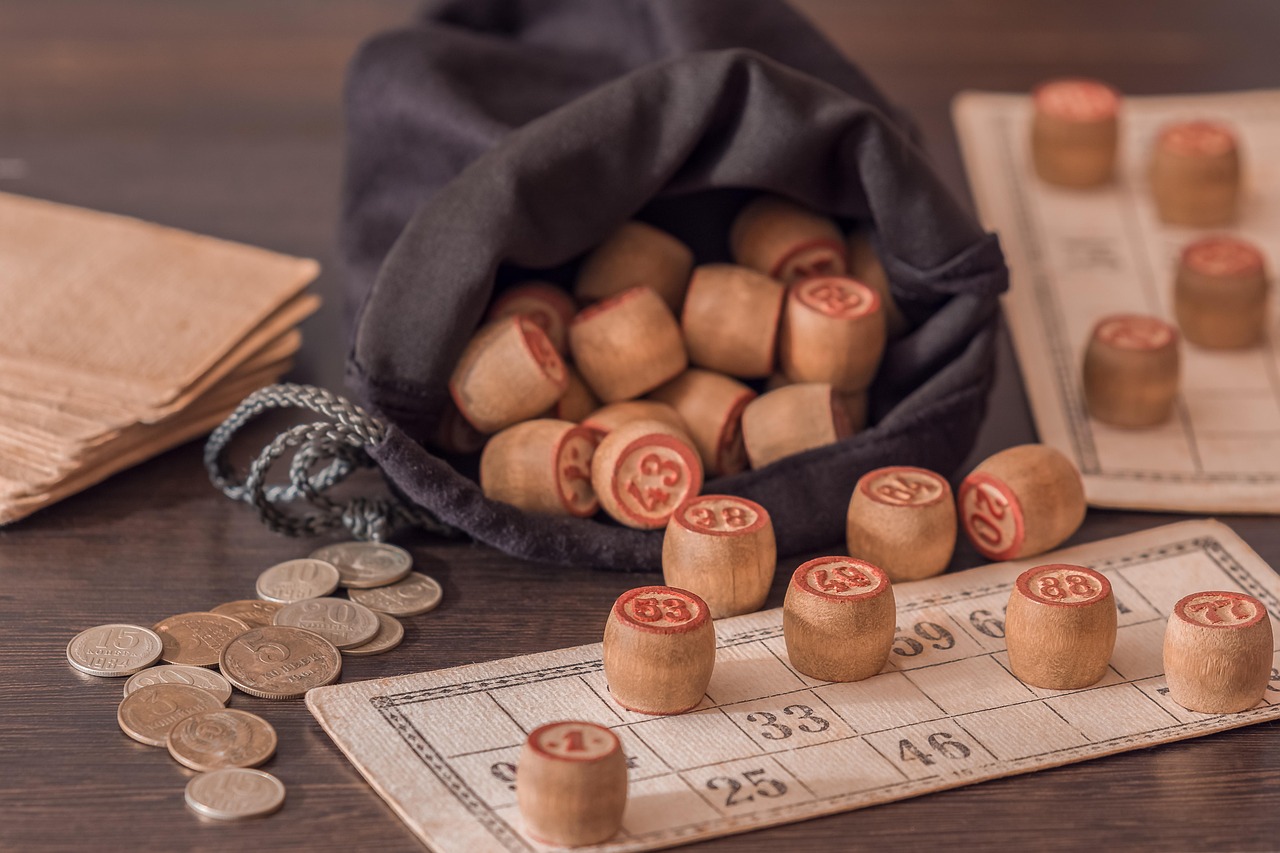
Bingo calling is both an art and a science. While many mistakes are easily avoidable, their impact on the game can be significant, affecting player experience and the hall's reputation. Perhaps the most critical aspect of effective bingo calling is the ability to stop and correct mistakes promptly. This ensures fair play, maintains the integrity of the game, and keeps your players engaged and satisfied.
Here are ten common bingo calling mistakes to avoid, with a focus on the importance of correcting them immediately:
-
Overlooking Simple Pronunciation Errors: Mispronouncing numbers or game names can lead to confusion among players. Always double-check your pronunciation and be mindful of regional variations. The number "eighteen" might be pronounced differently in various parts of the country. A quick pause to clarify ensures everyone understands the call.
-
Not Using Clear, Standardized Language: Consistency is key. Using informal phrases, slang, or local jargon can confuse players, especially those new to the game. Stick to the established bingo calling rules and approved game-specific terminology to eliminate ambiguity.
-
Ignoring Player Queries: Players might have questions or need clarification. Dismissing or ignoring their queries can disrupt the game flow. Stop, address their concerns, and provide precise answers. This fosters an inclusive environment and enhances player satisfaction.
-
Rushing Through Calls: Taking your time is crucial for accuracy and fairness. Rushing through calls increases the risk of errors and might cause players to miss important numbers. Maintain a steady pace, allowing players ample time to mark their cards.
-
Forgetting to Verify Winning Patterns: After declaring a winner, verify the winning pattern against the official card or display. This simple step prevents disputes and ensures the correct player is announced as the winner.
-
Neglecting to Explain Special Calls or Features: Newer players might not be familiar with special rules for different game variations. Take the time to explain unique calls, especially during themed or special events, to ensure everyone fully participates.
-
Disregarding Emergency Bingo Caller Protocol: Life is unpredictable, and having a backup plan is cost-effective bingo calling solutions. Always have an emergency caller ready, especially for larger events. This ensures continuity and minimizes disruptions if the primary caller is unavailable.
-
Failing to Adapt to Different Player Audiences: Consider the demographics of your players. Adjusting your calling style to suit different age groups or cultural backgrounds shows respect and inclusivity.
-
Ignoring Safety and Emergency Protocols: Regularly review safety training programs and emergency procedures. Being prepared ensures a swift response during unexpected events, enhancing the overall safety of the hall.
-
Not Utilizing New Caller Training Programs: For new callers, structured training programs can significantly improve their skills. These programs offer valuable insights into effective calling techniques, game rules, and player interaction, making them invaluable assets for any bingo hall.
By avoiding these mistakes and adopting cost-effective bingo calling solutions, you can create a seamless and enjoyable experience for all players, upholding the highest standards of rules.
Don't Forget to Include One All at the End
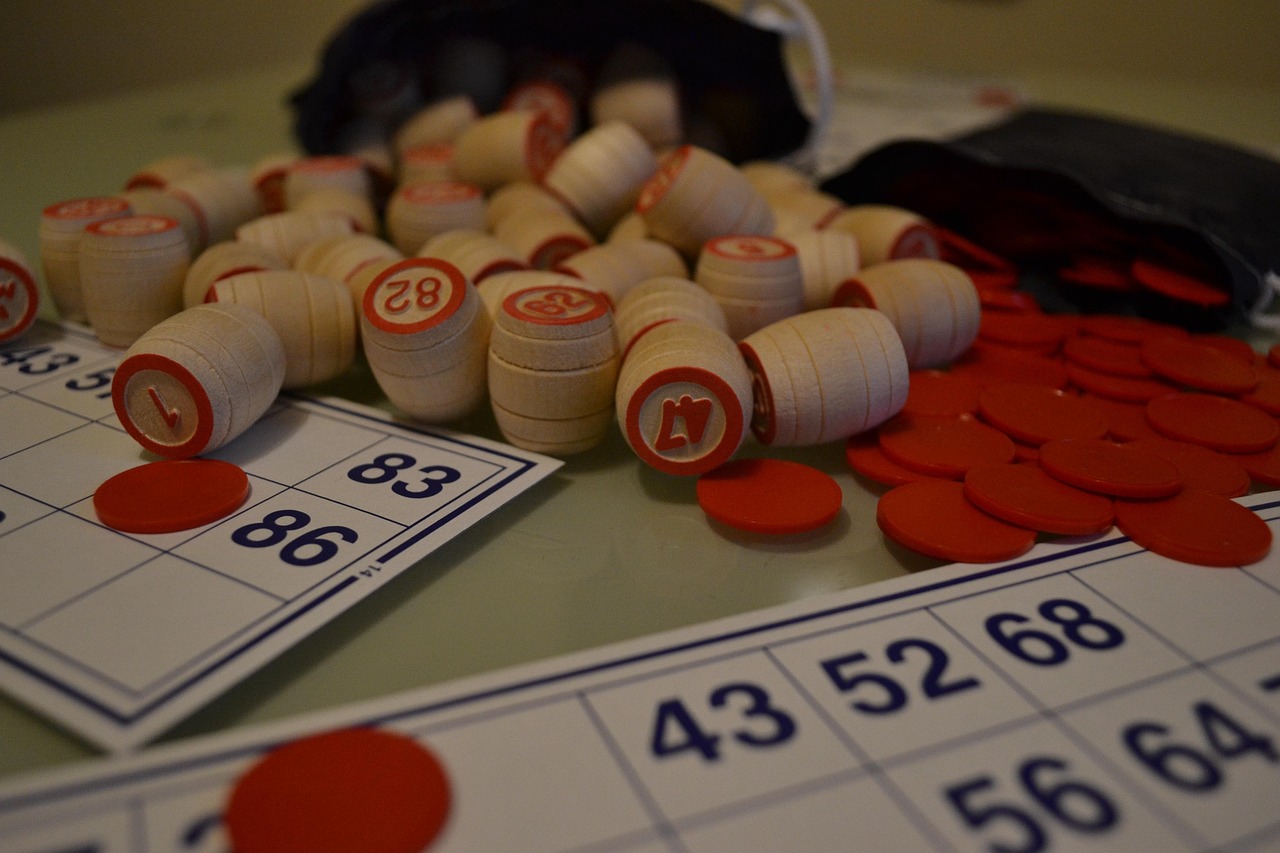
The smooth operation of a bingo hall relies heavily on the adherence to clear and effective rules, especially during large events. Experienced bingo calling for high-attendance games requires a sharp mind and a steady hand. New callers often fall into common pitfalls, leading to confusion, delays, and an inconsistent player experience. Avoid these top 10 mistakes to ensure your bingo hall runs smoothly and efficiently.
First, never neglect the basics. Proper pronunciation and clear annunciation are crucial. A poorly called number can cause chaos, especially in fast-paced games. Regularly review the Bingo Calling Manual and Game Rules Association guidelines to hone these skills. Second, professionalism is key. Treating players with respect and maintaining a calm demeanor, even under pressure, fosters a positive environment. The Professional Bingo Callers Association offers valuable resources and training for those aiming to elevate their craft.
Third, plan for the unexpected. Emergency bingo callers should be readily available to cover shifts or handle special events. Backup calling services can ensure uninterrupted gameplay during staffing shortages or when a regular caller is absent. Implementing a disaster recovery plan with a pool of backup callers can significantly reduce downtime. affordable bingo calling services can be a lifesaver for smaller halls with limited budgets. These services provide access to skilled callers without breaking the bank.
Lastly, don't forget to include one all at the end. Regularly review and update your rules to accommodate new game formats, regulations, and player preferences. The rules should be a living document, adaptable to changing times. Incorporating themed bingo events requires flexible calling rules to accommodate unique number ranges and patterns. By adhering to these practices, you can ensure your bingo hall operates with efficiency, respect for players, and adherence to legal standards.
Avoid Bias: Treat All Players Equally

In the high-energy environment of a bingo hall, one of the most critical yet often overlooked aspects of effective bingo calling is the treatment of all players equally. This is not merely a matter of fairness; it's a cornerstone of successful, professional bingo calling, especially during large events or charitable bingo calling initiatives. Here's a look at the top 10 mistakes to avoid for avoiding bias and ensuring all players have a fair shot at winning.
Experienced bingo callers for large events understand that each player's chance at winning is equal, regardless of their bet size, playing style, or how long they've been playing. The tendency to favor regular, high-spending players can undermine the integrity of the game. A caller might unconsciously speed up when a frequent top bidder is close to a line, or slow down when a new player enters the game. This can be mitigated by adopting a consistent, measured pace and being mindful of the clock. Regular training in event flexibility, as part of a specialized bingo calling services program, can help maintain a balanced and engaging atmosphere.
Charitable bingo calling events, while focused on fundraising, must also adhere strictly to the rules of equal treatment. Any perceived favoritism can undermine the event's legitimacy and deter future participants. Professional associations like the Professional Bingo Callers Association offer resources and certification programs that emphasize the importance of impartial calling. Following these guidelines ensures that the spirit of charitable giving is not overshadowed by personal biases or misunderstandings.
Finally, when considering specialty bingo calling services for themed events, it's crucial to ensure the caller is trained to handle any variations in play equally. Whether it's a progressive jackpot round or a special game with modified rules, the caller must be adept at adjusting without showing favoritism. This includes being transparent with the rules and communicating any changes clearly to the players, as outlined in the Bingo Calling Manual and Game Rules Association guidelines. By adhering to these principles, bingo halls can maintain a welcoming, inclusive, and fair environment for all players, enhancing the overall bingo calling experience.
Master the Art of Pausing: Build Anticipation

The art of bingo calling is a blend of skill, charisma, and strategic timing. Among the many aspects that separate a good caller from a great one is the masterful use of pauses. In high-energy, fast-paced games, pausing at the right moment can build anticipation, create a dramatic pause for effect, and even slow down the pace, allowing players to register their numbers and stay engaged. This strategic pause is a crucial element of the rules that often gets overlooked but can significantly impact the overall flow of a game.
New callers often rush through numbers, missing the opportunity to create a theatrical experience. The key is to understand that a pause is not just a break; it's an integral part of the storytelling. When calling a "Special" or a "Pattern" number, a well-timed pause can build excitement, giving players a moment to anticipate the potential win. This pause should be consistent throughout the game, ensuring players know when to expect a break and allowing them to focus. In charitable bingo calling events, near me bingo calling options, and even in the best local bingo halls, experienced callers use pauses to create a memorable and enjoyable atmosphere.
To master the art of pausing, practice is essential. Consider enrolling in a professional training program, like the one offered by the Canada Bingo Caller Guide, which provides in-depth instruction on game rules and the psychology of caller performance. The Professional Bingo Callers Association offers valuable resources and networking opportunities for seasoned and aspiring callers alike. Regularly reviewing the Bingo Calling Manual and participating in the Event Flexibility Training can help you internalize the timing and placement of strategic pauses, ensuring your calls enhance the overall bingo experience.
Frequently Asked Questions About Top 10 Bingo Calling Mistakes to Avoid at All Costs
What are the most common mistakes made by bingo callers? Bingo callers often fall into several pitfalls, from mispronouncing numbers to ignoring the rules. The top 10 mistakes include not having a clear microphone, misreading cards, calling too fast, forgetting to repeat numbers, and not pausing for clarifications. These errors can disrupt the game, confuse players, and potentially lead to legal issues, especially in regulated bingo halls.
How does mispronouncing numbers affect the game? Mispronouncing numbers is a significant gaffe, as it can lead to calls being misunderstood by players. Clear pronunciation is crucial, especially in noisy environments. It's essential to practice and confirm each number to ensure players hear it correctly. Remember, "ten-six" sounds very different to "thirteen" and could result in a delayed game or even a lawsuit.
Are there rules about how fast a caller should work? Absolutely. A common mistake is calling too fast, which can be frustrating for players and staff. A steady, measured pace is best, allowing players time to mark their cards accurately. Bingo halls often have specific guidelines for call speed, and adhering to them is vital to maintain a fair and enjoyable environment.
What happens if a caller forgets to repeat a number? Forgetting to repeat a number can cause confusion and potentially allow dishonest players to gain an advantage. It's essential to repeat each number clearly and pause between calls to ensure all players are aware of the numbers being called. This simple practice enhances the integrity of the game.
How important is it to take clarifications from players? Taking clarifications from players is a critical aspect of responsible calling. If a player signals they haven't heard a number, the caller must pause and confirm it. This simple step prevents disputes and ensures everyone involved agrees on the numbers called, maintaining the game's fairness.
Can a caller be held legally responsible for mistakes? In regulated bingo halls, callers are expected to adhere to strict guidelines. Mistakes can lead to complaints and, in severe cases, legal action. A caller who consistently misreads cards or ignores rules could be held accountable, with potential consequences including fines or loss of employment.
As this article has highlighted, the seemingly simple act of calling bingo involves a set of nuanced rules that can greatly impact the experience for both players and organizers. By understanding and adhering to the core rules, such as maintaining a steady pace, clear pronunciation, and consistent tone, calling can become a seamless and enjoyable experience.
The ten mistakes discussed offer a critical checklist for any new or seasoned caller. Avoiding hesitancy, recognizing the importance of fair play, and practicing pausing are all integral parts of creating a dynamic and engaging environment. These guidelines are not just practical tips; they are essential for upholding the integrity of the game, ensuring every player has a chance to win, and fostering a welcoming atmosphere.
Moving forward, bingo hall managers and organizers should prioritize training and ongoing education for their calling staff. Implementing the strategies outlined in this article can enhance the overall efficiency and effectiveness of bingo operations, ultimately leading to increased player satisfaction and retention. By embracing the principles of professional bingo calling, venues can elevate their standards and deliver a superior gaming experience.
Rules: Key Summaries
Core Calling Rules:
- Clear Communication: Explain rules, terms, and patterns simply and consistently.
- Timing & Rhythm: Maintain a steady pace to keep games flowing, using tools like watches or timers.
- Fairness & Accuracy: Ensure every player understands and has a fair chance, verifying winning patterns.
- Adaptability: Customize rules for events, themes, and player needs, adhering to standard game rules.
Common Mistakes to Avoid:
1. Neglecting Basic Skills: Proper pronunciation and clear annunciation are crucial.
2. Lack of Professionalism: Treat players with respect, maintaining a calm demeanor.
3. Unplanned Events: Have emergency callers and backup plans for staffing shortages or absences.
4. Bias & Favoritism: Treat all players equally, avoiding any perceived favoritism.
5. Ignoring Pauses: Master strategic pauses to build anticipation and enhance the game flow.
Cost-Effective Solutions:
- Utilize training programs and resources from associations like the Professional Bingo Callers Association.
- Implement affordable bingo calling services for smaller halls.
- Regularly review and update rules to accommodate changes.