
Bingo is a beloved social activity that brings people together, but running a smooth and organized game requires more than just luck. Effective bingo calling rules are essential to ensuring a fun, fair, and seamless experience for all players. New callers often struggle to navigate the flow, timing, and communication aspects of the job, leading to confusion and disruptions. This guide is designed to empower beginners with the knowledge and confidence to master the art of bingo calling, covering everything from basic guidelines to advanced strategies, and offering practical tips for handling special events and navigating regulatory requirements. By following these established bingo calling rules, new callers can ensure a successful and enjoyable game for everyone involved.
- Setting Up the Bingo Calling Area
- Understanding Bingo Card Layouts
- Calling Numbers: Clear and Concisely
- Handling Fast-Paced Game Flow
- Incorporating Interactive Elements
- Dealing with Slow or Hesitant Players
- Maintaining Fairness and Equity
- Adjusting Rules for Different Games
- Post-Game Wrap-Up and Feedback
Setting Up the Bingo Calling Area
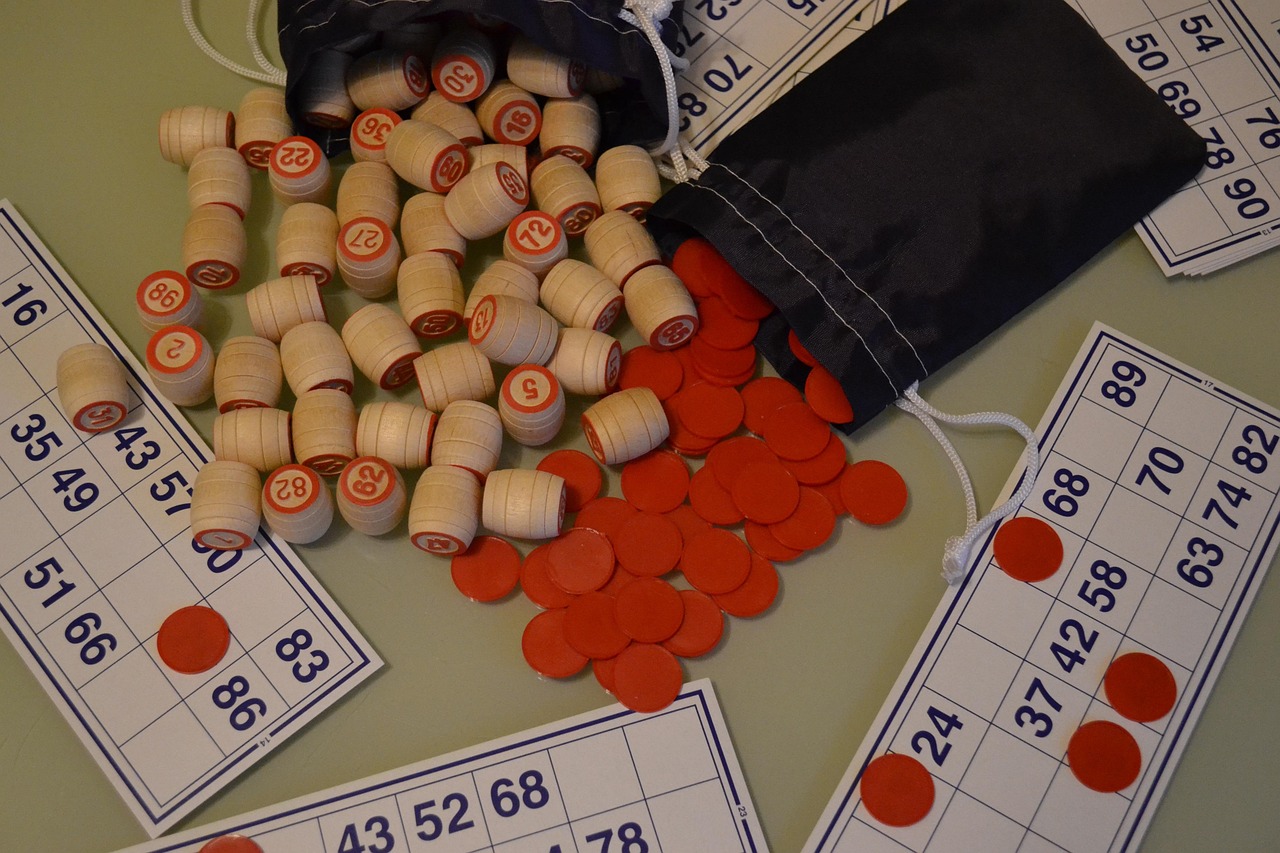
When setting up the bingo calling area, it's crucial to follow the best practices and established bingo calling rules to ensure a smooth and enjoyable experience for all players. The space should be well-organized, with clear lines of sight for the caller and volunteers, and easily accessible for players. Consider the size of your venue and the expected number of participants to determine the optimal layout. In larger spaces, positioning the calling area near the entrance or in a central location can help manage crowd flow.
Professional bingo calling for events requires more than just knowledge of the game. It involves practicing engaging the audience, announcing numbers with precision, and maintaining the tempo. If you're looking for near me bingo calling options or considering hiring a professional for a special event, it's essential to explore the available resources. Many experienced callers offer same-day bingo number announcer services, ensuring a seamless experience. These professionals are trained to adhere to the latest bingo calling rules, making them a valuable asset for any event organizer.
The setup should also include necessary equipment: a clear, visible board or screen for displaying the winning numbers, a bell or other audible signal for the all-important "Bingo," and a comfortable, raised position for the caller. Bingo Calling Rules provide a framework for maintaining order and fairness, with guidelines on number announcement, card validation, and handling of disputes. Adhering to these rules not only ensures a successful game but also fosters a positive and inclusive environment for all players.
Remember, the success of a bingo game is heavily influenced by the setup and the caller's expertise. Investing time in creating an optimal calling area and considering professional options can significantly enhance the overall experience for everyone involved.
Understanding Bingo Card Layouts
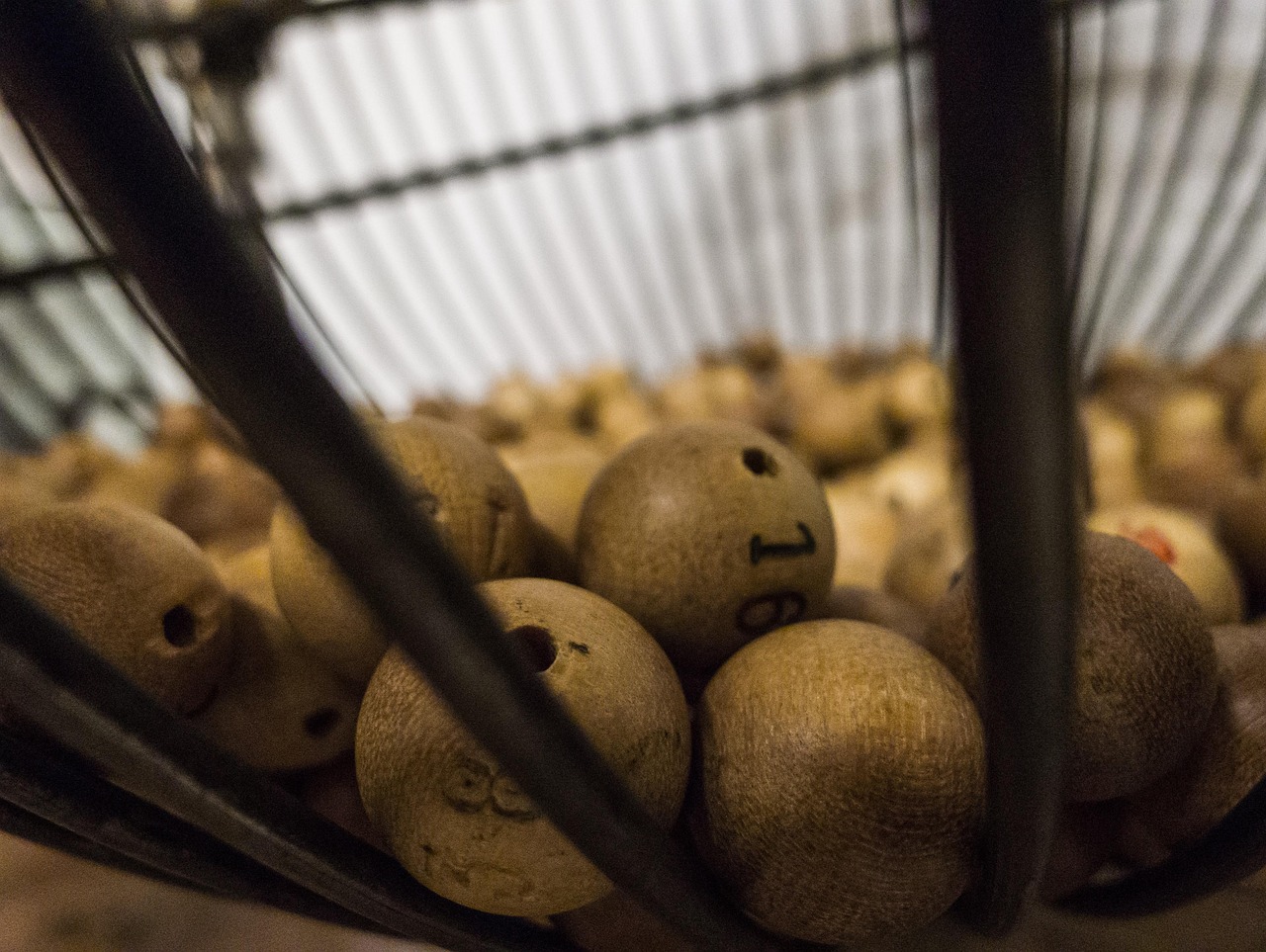
Understanding Bingo Card Layouts: A Cornerstone of Smooth Calling
Bingo calling rules encompass a broad range of aspects, but none is more fundamental than grasping the various bingo card layouts. Different card designs and patterns impact gameplay, prize distribution, and even the pace of the game. Knowing these layouts ahead of time is crucial for a seamless and enjoyable experience, both for the caller and the players. The Canada Bingo Caller Guide recommends that new callers focus on these key aspects to build confidence and ensure fairness.
Standard 5x5 cards, for instance, are the most common and feature a grid of 25 numbered squares. Each player receives a card, and the goal is to mark off numbers as they are called out. Other popular variants include 7x7 cards, which offer more numbers and can lead to longer games, and 3x9 cards, often used for coverall games where players must mark all numbers to win. Technology for bingo calling has also introduced digital cards, providing flexibility and the ability to display multiple cards at once.
Themed bingo events often feature custom card layouts, integrating the event's aesthetic into the game. These can range from simple design changes to complex layouts that require specific numbers to be marked off in a particular sequence. Experienced callers, often the best local bingo callers, are adept at navigating these variations, ensuring that every player understands the rules before the game begins. They also anticipate how different layouts will affect gameplay, adjusting their calling pace and style accordingly.
Calling Numbers: Clear and Concisely
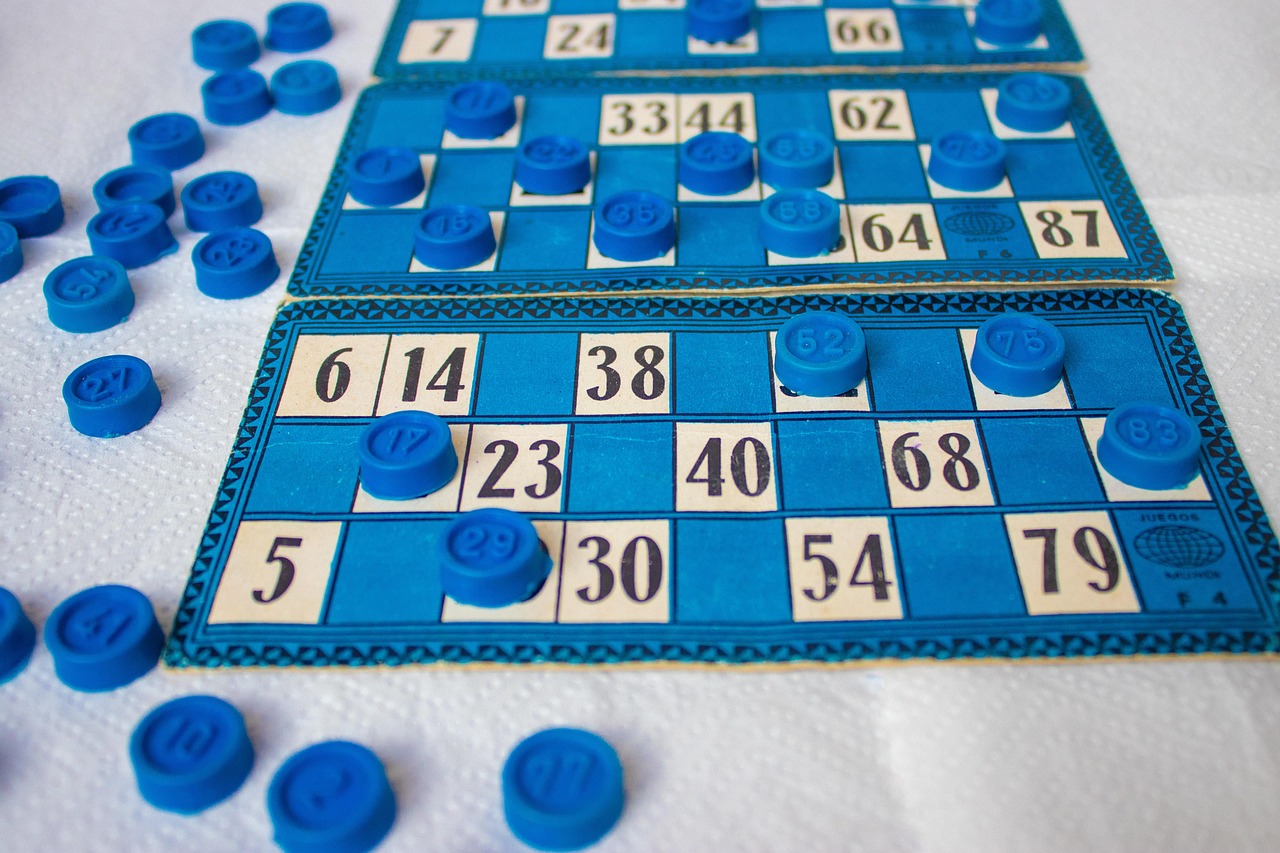
Calling numbers clearly and concisely is a cornerstone of successful bingo games, ensuring fairness and keeping players engaged. According to top-rated bingo calling experts, the key is to maintain a steady pace, using a distinct voice for each number to avoid confusion. This technique is especially crucial during large events, where an experienced caller can manage the flow seamlessly.
When learning the art of bingo calling, it's essential to practice each number distinctly. Think of it as learning a new language-each number should have its unique sound. "one" should be distinct from "two" or "seven." Rehearse until you can consistently differentiate each number, ensuring your voice projects clearly to every corner of the hall. The Canada Bingo Caller Guide recommends a minimum of 20 minutes of daily practice to develop this skill.
For affordable bingo calling services or to bring an experienced caller to your large event, consider enlisting the help of professionals. Many companies offer training and certification programs, ensuring you get the best service. These experts understand the importance of clear communication, especially in noisy environments or when multiple games are being played simultaneously. Their expertise ensures a smooth, enjoyable experience for all participants, whether it's a small community gathering or a massive charity event.
Handling Fast-Paced Game Flow

Running a fast-paced bingo game requires a skilled caller who can keep the energy high and players engaged. According to the Professional Bingo Callers Association, the key to handling a quick-moving game is preparation, clear communication, and adaptability. Start by studying the game rules thoroughly, ensuring you understand the format, number calling procedures, and special patterns. Familiarize yourself with the typical game flow, allowing for a smooth transition between rounds.
Consider enlisting the help of a licensed bingo calling company, especially for special events or to train new callers. These professionals often offer same-day bingo number announcing services, ensuring a seamless experience. They can provide guidance on handling different game variations, offering tips on pace and engagement strategies. During a high-volume game, a skilled caller might employ rapid number releases, pausing briefly after each call to allow players to mark their cards. This keeps the game moving without overwhelming players.
The Bingo Calling Manual recommends practicing with a timer to develop a consistent pace. Experiment with different call styles and speeds to find what works best for various game situations. A slower, more dramatic call might be suitable for a progressive jackpot game, while a quicker pace is ideal for standard games to maintain momentum. Regularly reviewing the Game Rules Association's guidelines and participating in training programs, like the New Caller Training Program, can significantly enhance your abilities. Remember, the goal is to create an enjoyable environment, so adapt your style to suit the players and the occasion.
Incorporating Interactive Elements
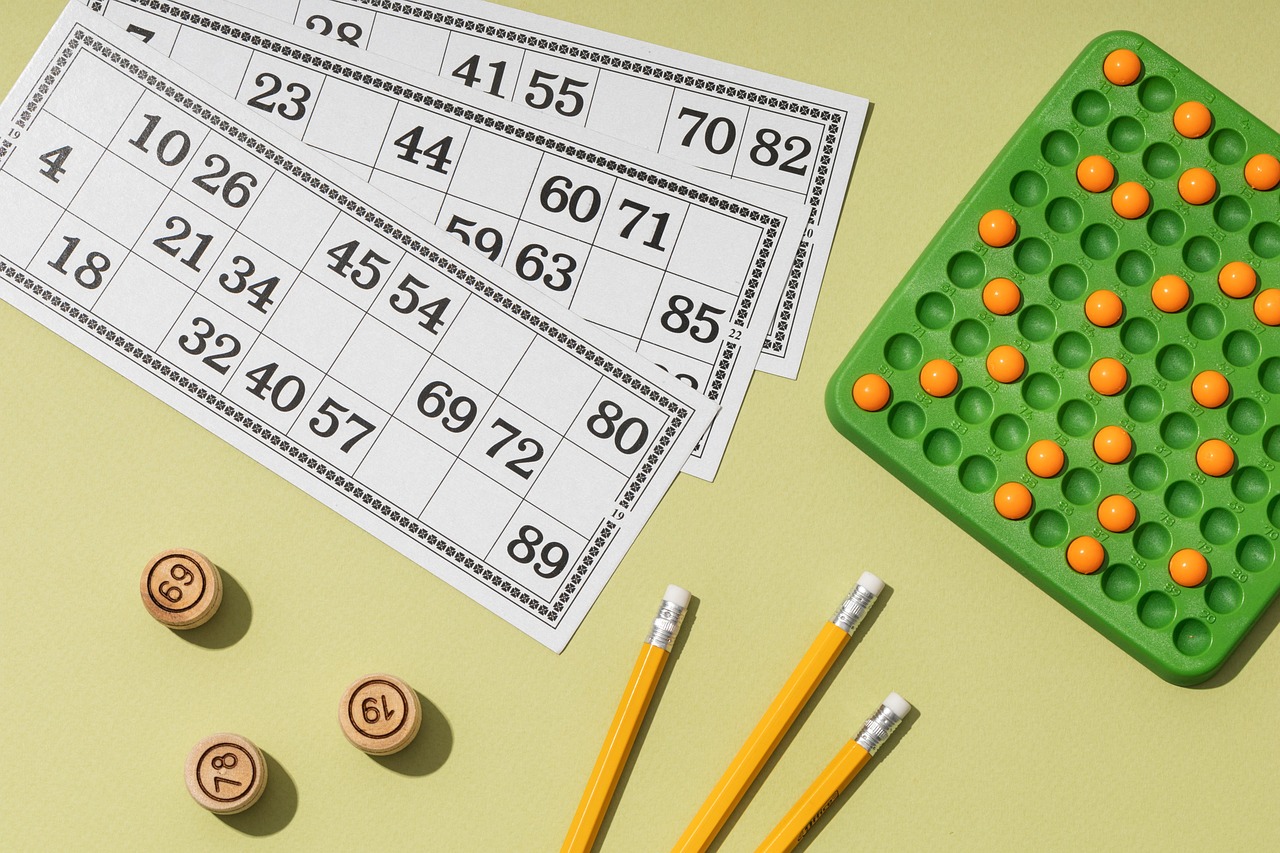
Incorporating interactive elements is a key strategy to ensure engaging and memorable bingo games, encouraging player participation and enhancing overall satisfaction. The Canada Bingo Caller Guide recommends incorporating these elements within the established bingo calling rules to create a dynamic environment. One effective method is to include interactive challenges or games within the standard bingo pattern. During a game, call out a special number that, when marked by a player, triggers a quick mini-game, such as a speed round or a question-and-answer segment. This not only adds excitement but also allows players to actively engage with the game, fostering a more interactive experience.
To implement these ideas cost-effectively, consider nearby bingo calling services that specialize in interactive solutions. Many providers offer adaptable packages tailored to suit different themes and event types. These services can be a valuable resource for those new to bingo calling, providing ready-made tools and ideas to enhance gameplay. A local service might offer a "Bingo Blast" package, featuring interactive features like a music-themed round where players must identify songs playing in the background to win bonus points. Such nearby bingo calling services can be a quick and convenient way to add flair to your games, without the need for extensive preparation.
Remember, the key to successful implementation lies in balancing interaction with the core bingo calling rules. Ensure that any added elements complement the game flow, keeping players informed and engaged throughout. Regularly reviewing and refining your approach based on player feedback will help you fine-tune your interactive bingo calling skills, ensuring a smooth and enjoyable experience for all participants.
Dealing with Slow or Hesitant Players
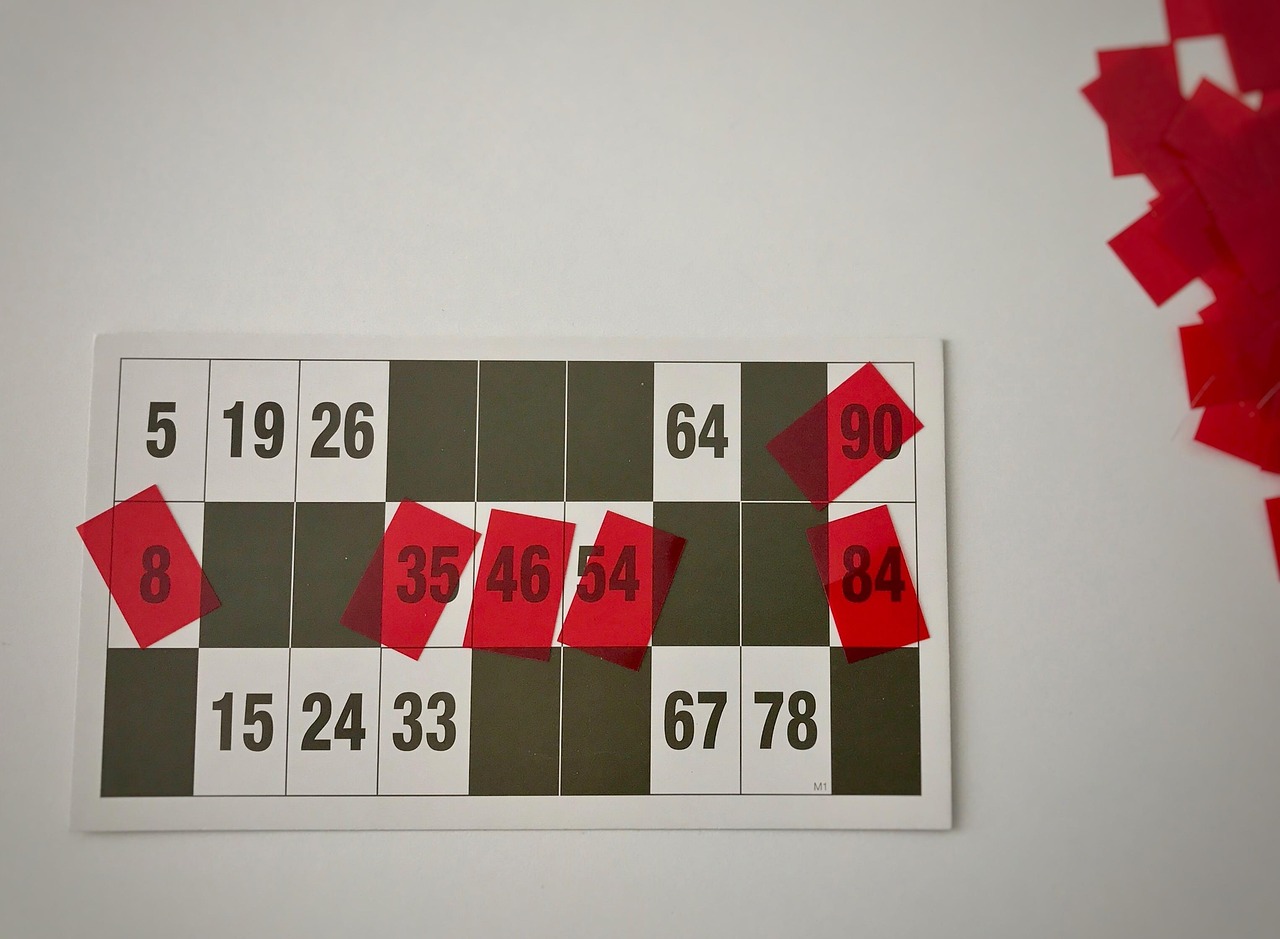
When hosting a bingo game, particularly for a new audience or a special event, it's crucial to anticipate and address any potential slow or hesitant players. These individuals might be new to the game, uncertain about the rules, or simply require extra encouragement to participate actively. As a bingo caller, your role is to create an inclusive and engaging environment that welcomes all players, regardless of their comfort level.
One effective strategy is to offer clear, concise explanations of the game rules and procedures before the start. The Canada Bingo Caller Guide recommends providing a brief overview of how the game works, including the objective, card layout, and scoring system. You can also offer to demonstrate the game flow, showing players how to mark their cards and participate in the calls. This proactive approach ensures that everyone understands their role and encourages active engagement. If you notice someone still hesitant after the initial explanation, consider pairing them with a more experienced player who can offer personal guidance.
Consider implementing specialty bingo calling services or training programs that focus on improving interaction and participation. These services often provide new game calling tips and strategies to keep the game dynamic and enjoyable for all. By offering affordable and accessible bingo calling services, you can ensure that your games run smoothly and efficiently, catering to a diverse range of players. Remember, effective bingo calling is an art that combines clear communication, adaptability, and a genuine enthusiasm for the game.
Maintaining Fairness and Equity

Maintaining fairness and equity is paramount when running a bingo game, ensuring every player has an equal opportunity to win. Rules, as guided by the Canada Bingo Caller Guide, emphasize the importance of clear and consistent communication. A skilled and experienced same-day bingo number announcer plays a crucial role here, ensuring numbers are called accurately and promptly. This eliminates any confusion and prevents players from disputing valid wins, fostering a positive gaming environment.
Licensed bingo calling companies employ professionals who understand the nuances of bingo etiquette and game dynamics. They offer specialty bingo calling services, tailored to specific event themes or to accommodate unique game formats. A themed event might require a caller who can incorporate the event's narrative into the number announcements, enhancing the overall experience. These professionals are trained to adapt to unexpected situations, ensuring the game flows smoothly even when delays or changes occur.
To uphold fairness, it's essential to have backup calling services in place, especially for larger events. This ensures continuity should the primary caller encounter an unforeseen issue, preventing disruptions and maintaining the game's integrity. Regular safety training programs, as mandated by gaming commission regulations, further emphasize the importance of ethical conduct and emergency preparedness among bingo calling staff. By adhering to these guidelines, organizers can create an inclusive and enjoyable bingo experience for all participants.
Adjusting Rules for Different Games

Running a successful bingo game involves more than just calling numbers. One of the key aspects of a smooth game is the flexibility to adjust rules according to the game's variant. The rules for a standard 75-ball bingo game, for instance, differ significantly from those of 90-ball or theme-based games.
When introducing technology for bingo calling, it's crucial to understand these variations. In electronic bingo, the caller can use a digital system to randomly generate numbers, eliminating human error. However, the rules still need to be tailored to accommodate the technology. An emergency bingo caller, or backup service, should be readily available in case of technical glitches, ensuring uninterrupted play.
A trustworthy bingo caller service, then, must be adept at navigating these rule adjustments. It should offer experienced callers who understand the nuances of different games, from the traditional to the innovative. A 90-ball game has specific rules for completing a line, while a themed game might introduce unique challenges or power-ups, requiring the caller to adapt on the fly.
Rules, as an industry standard, emphasize the importance of clear communication and consistent application of rules. A well-trained, adaptable caller ensures that players have a fair and enjoyable experience, regardless of the game format. This includes being prepared for last-minute changes, understanding house rules, and maintaining a professional demeanor throughout.
Post-Game Wrap-Up and Feedback

After each bingo game, a thorough post-game wrap-up and feedback session is crucial for maintaining a positive environment and ensuring a successful event. This process involves several key steps that are governed by the broader framework of rules. First, the Canada Bingo Caller Guide recommends reviewing the game's flow and outcomes. This includes acknowledging any technical issues, such as equipment malfunctions, and ensuring that all players had a fair chance. If a player raises concerns about a random number generator malfunction, it's the caller's responsibility to address the issue promptly, either by testing the equipment or, if necessary, switching to a backup system.
Next, gather feedback from the players. This can be as simple as a brief survey or as detailed as open-ended questions. Encourage players to share their experiences, highlighting both the positive aspects and areas for improvement. Experienced bingo calling for large events often involves managing diverse player preferences and expectations, so gauging satisfaction levels is vital. Reviews for bingo calling services, both from licensed bingo calling companies and individual callers, play a significant role in shaping future events. If several players mention the need for clearer announcements, this becomes a priority for future games.
The post-game wrap-up should also include a summary of any prizes won and ensure that the winners are recognized appropriately. This is not just a matter of protocol but also contributes to the overall enjoyment and satisfaction of the players. By adhering to these practices, you're not just running a bingo game; you're fostering a community where every player feels valued and every event is a memorable experience.
Frequently Asked Questions About Bingo Calling Rules: A Beginner's Guide to Running a Smooth Game
What are the standard rules? The standard rules dictate a clear, concise, and consistent manner of calling numbers. Each number is announced clearly, followed by its location on the card, e.g., "Seven-four-seven, corner." This ensures players understand the call and can mark their cards accurately. The caller should maintain a steady pace, pausing only briefly between calls to allow players to mark and react.
How do I keep the game moving at a good pace? Maintaining a good pace requires a balance. Practice the timing of your calls; each should take approximately 2-3 seconds. This allows players sufficient time to react and mark their cards but keeps the game from dragging. Regularly checking for full cards and partially filled cards helps too; this visual cue encourages players to move faster.
What if a player has a dispute about a number being called? If a player disputes a number, the caller should listen and assess the situation. If the caller made an error, correct it immediately. If the player simply misheard, gently clarify and repeat the call. It's important to remain calm and fair, ensuring all players understand the call before proceeding.
Are there any special rules for progressive games? Progressive games, where prizes increase with each round, often introduce a "free" or "power" number. This number, usually marked on the card, wins the round for any player who has it, regardless of their card status. Some installations also have rules for "wild" cards, allowing players to substitute a number if it's not on their card.
How do I handle a slow or reluctant player? Encourage active participation by explaining the rules clearly and offering assistance if needed. Some players may simply be uncertain; a quick demonstration can help. For slow players, consider a "fast track" option, allowing them to mark numbers quickly by calling out their card numbers. This respects their pace while keeping the game moving.
What if a player wants to leave early? Respect a player's decision to leave, but ensure they follow the proper procedure. Many games require players to hand their cards to the caller or mark "exit" on their cards. This helps track players who have left and ensures the game continues smoothly.
Running a successful bingo game requires a blend of structure, flexibility, and engagement, as outlined in this practical guide to rules. By mastering the setup, understanding card layouts, and calling numbers with clarity, you create a smooth, enjoyable experience for all players. Handling game flow, incorporating interactive elements, and addressing player participation issues are crucial for maintaining momentum. Ensuring fairness, adjusting rules for diverse games, and providing a thoughtful post-game wrap-up are essential for building a positive environment.
By following these guidelines, you'll foster a welcoming atmosphere, enhance player satisfaction, and establish yourself as a skilled bingo caller. This article equips beginners with the tools to confidently navigate the game, while offering seasoned callers fresh insights to refine their practices. Implement these strategies, embrace the unique dynamics of each game, and watch your bingo sessions thrive.
Rules involve setting up a well-organized space, mastering audience engagement, adhering to equipment and layout standards, and following established guidelines for number announcement, disputes, and tempo. Hiring professional callers or using technology offers benefits for special events. Key aspects include understanding different card layouts, fostering inclusivity, addressing slow players, maintaining fairness, adapting to game variants, gathering feedback, and conducting post-game reviews.